

Spain is a lively country in southwestern Europe, sitting between France and Portugal and bordering both the North Atlantic Ocean and the Mediterranean Sea. The country is full of different cultural traditions and identities. If you are planning to visit Spain for school, work, or simply to travel, understanding these differences will help you enjoy your time more. While there is a national identity that ties people together, many things people think of as “Spanish” actually come from specific local or regional traditions. These differences are easy to spot and give Spain a rich mix of cultures, languages, and ways of living. From daily routines to social habits, Spain offers many interesting differences that give it a special character.
Main Cultural Differences in Spain
Looking at Spanish culture, you see a colorful mix formed by long history, local pride, and a unique attitude about life. Spain isn’t one single culture, but a mix of many influences that shape day-to-day customs, how people treat each other, and even the speed of life. Knowing about these basics will help anyone looking to understand the Spanish lifestyle.
What Makes Up Spanish Culture and Identity?
Spanish culture puts a big focus on being social, as seen in all the festivals and gatherings through the year. People are known for their pride, deep love for their country, and a strong sense of personal respect. This pride isn’t just about Spain as a whole-it is also about their local regions, making them feel connected to their roots in a special way. You can see old Moorish influence in the south, with its impressive Islamic buildings. Spain’s time under Franco’s dictatorship, which tried to force everyone to act the same and ignored regional differences, still affects how people feel today about national pride and symbols. Since Franco died in 1975, Spain has become more democratic and less connected to religion, but traces of the past remain, like caution about showing too much national pride.
Another key part of Spanish culture is a dislike for uncertainty. The 2008 financial crisis hit Spain hard, bringing high unemployment, and has made job security very important. This is why government jobs, which last a lifetime, are very popular. Still, despite wanting clear rules, many Spaniards feel comfortable bending them if needed, a feeling summed up by the saying, “Quien hizo la ley, hizo la trampa” (Who made the law, made the loophole). Many feel laws may be made for people in power, and Spaniards often admire the clever “pícaro,” or trickster, who can get by in tough systems. These historical events, regional loyalty, and outlook on society all shape Spanish identity.
How Do Regional Cultures Influence Everyday Life?
Spain’s cultural variety is seen most clearly in its different regions. Each of the 17 autonomous communities has its own special character, which affects how people live every day. Though all areas follow national law, they also set some of their own rules that show off their own traditions. The depth of this local identity is so strong that you might hear “Las Españas” (the Spains), showing how people see their region as a little country inside Spain.
Whether it’s flamenco in Andalucía or the special foods in each region, local culture isn’t just a minor detail-it’s central to daily life. For example, traditional Valencian paella uses ingredients like snails and rabbit because of what’s grown locally. The pace of life also changes by place: big cities are busy and loud, while the countryside is usually quieter and slower. Social expectations can differ, too, with rural areas often more conservative and religious. Experiencing Spain means seeing all these “mini-countries,” each with its own unique feeling.

How Do Regionalism and Language Differences Affect Spanish Society?
Regionalism and language differences are central parts of Spanish society, shaping how people see themselves, their politics, and their daily lives. The country’s language map is varied and reflects a long history and strong sense of local pride.
National vs. Regional Identity: Catalan and Basque Examples
The question of what it means to be “Spanish” is complex. Some places, like Madrid, are strongly patriotic, but others-especially the Basque Country and Catalonia-identify much more with their own regions. In Catalonia, regional pride is so strong that people often call themselves Catalonian rather than Spanish, and display the local flag much more than the national one.
This strong identity leads to political arguments, like whether Catalonia should be independent. In 2017, Catalonia held an independence vote, and while less than half the people voted, 90% of those who did wanted independence. Spain’s government said the vote was illegal, which led to big protests and a tough political situation. On the other hand, these debates can make some Spaniards want even more unity. Spain’s past under Franco, who banned regional languages and traditions, makes these arguments more intense, especially for those who remember or learned about the dictatorship.
Languages in Spain: Spanish, Catalan, Basque, Galician
Language and identity go hand-in-hand in Spain. Officially, Castilian Spanish is the only national language, but regional governments can also recognize their own languages and dialects. Many Spaniards use a local dialect for home and work, especially in places like Catalonia, the Basque Country, Galicia, Valencia, and the Balearic Islands.
About 11% of the population speaks a regional language as their first language, but almost everyone also speaks Castilian Spanish. The main regional languages-Catalan (including variants called Valencian and Balearic), Galician, and Basque-are official in their regions. In Catalonia, around 80% can speak Catalan, with over a third using it as their main language. This mix of languages keeps local pride strong and constantly feeds the talk about national versus local identity.
Communication Styles in Spain
Talking with Spaniards is usually expressive, warm, and full of hidden meaning. Compared to other cultures where people keep their distance and speak very directly, Spanish people are more likely to talk with their hands, use body language, and stand very close. If you’re not used to it, this can stand out, but it’s just part of how people connect.
Physical Touch, Gestures, and Space
Personal space is different in Spain. People often stand close, touch each other while talking, or even gently move someone if they need to get by. In cultures where personal space is very important, this can feel unusual at first. But in Spain, it’s normal and not meant to be rude or aggressive.
When people greet each other, “besitos” (cheek kisses) are common, especially if one or both are women. A “besito” means touching cheeks right to left, making a kissing sound, not an actual kiss. Men will usually shake hands, pat each other’s back, or give a half-hug, unless they are family or very close friends. To newcomers, this might seem very friendly or even romantic, but soon it just feels like a regular part of life. Spaniards also use lots of gestures, facial expressions, and changes in tone while they talk.

Directness and Expressiveness
Spanish people are open and animated when they talk. They like honest opinions and a lively exchange of ideas. Even when being direct, they try to be polite and not hurtful. They may talk loudly when they are passionate about something-not because they’re angry, but because they are involved in the conversation.
Chats can be fast-paced, with people sometimes talking over each other. This isn’t rude; it’s a sign everyone is interested and involved. Spaniards aren’t comfortable with silences at social gatherings, preferring lively and long conversations.
High-Context Communication
Spain is what’s called a high-context culture, where a lot of meaning comes from the setting, nonverbal cues, and relationships, not just words. Spaniards often communicate with tone, gesture, and expression. For example, a raised eyebrow or hand signal can mean more than what’s being said aloud. Understanding Spanish conversations well often takes some time living with the culture.
Unique Social Customs and Etiquette in Spain
Getting used to Spanish customs is part of the fun of being there. The country values friendliness, informality, and making everyone feel welcome. Everything from greetings to gift-giving puts a focus on warmth and genuine connection.
Greetings and Introductions
“Besitos” (cheek kisses) are a trademark of Spanish greetings, especially for women. Both men and women give “besitos” to women, but men usually don’t exchange them with each other unless they are close relatives or best friends-they prefer a handshake or a friendly pat on the back.
This greeting isn’t just for first meetings-people greet each other this way every time they meet. While this can seem personal to outsiders, it quickly starts to feel ordinary. Spaniards also move to calling each other by first names quickly after meeting, showing familiarity and informality.
Gift Giving and Hospitality
In Spain, gift-giving is thoughtful but not showy. Tipping is not expected like in some countries, since workers earn a living wage, but leaving a euro or two for good service is nice. If you are invited to someone’s home, bringing a small gift like wine, dessert, or flowers is appreciated.
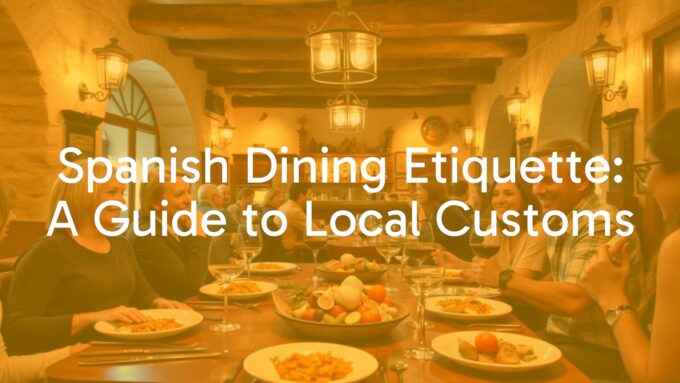
Being a guest is about sharing time and connection, especially during meals. After eating, people often linger at the table for “sobremesa”-long, relaxed talks that can last an hour or more. It’s seen as bad manners to leave the table quickly after a meal, as Spaniards value this time to connect.

Daily Schedules and Meal Times in Spain
Another big difference in Spain is daily routine, especially meal times and the “siesta” break. These habits help define the flow of daily life and take getting used to if you’re from a country with earlier schedules.
Late Meals: Lunch and Dinner
Spaniards eat much later than many other countries. Breakfast is light and eaten between 8 and 10 AM-often just coffee and toast. Lunch, known as “la comida,” is the main meal of the day and usually starts after 2:30 PM, sometimes as late as 3 PM. Lunch often has multiple courses and is seen as a time to relax and enjoy. Many restaurants offer a “menú del día,” a good-value set meal.
Dinner, “la cena,” is even later-usually between 9 PM and 10:30 PM, and can go later on weekends. This late schedule comes partly from Spain setting its time zone to Central European Time in 1940, making the whole day run later. Because of these late meals and social habits, people, including kids, often go to bed at or after midnight, making Spanish sleeping habits the latest in Europe.
Siesta: Tradition vs. Reality
The “siesta” is famous worldwide, but it’s often misunderstood. While the word means “nap,” it’s really about a period of rest after lunch, roughly 2:00-5:00 PM. Traditionally, people went home for lunch and a break, avoiding the afternoon heat. Shops would close and reopen in the evening.
Now, fewer than one in five Spaniards nap during siesta. In big cities, people usually don’t go home, but may use this time to relax, have a drink with friends, or take a slower lunch. The custom remains stronger in small towns. Even so, siesta time reminds people to relax and take a break, keeping with Spain’s attitude of “work to live.”
Work Culture and Attitude to Time in Spain
Spain has a much more relaxed attitude about work and time compared to many places. The focus is on enjoying life, balancing family, and not rushing through the day.
Punctuality
Timekeeping in Spain is more relaxed than in some countries. Formal events and trains tend to start on time, but social plans are often flexible. Being 7-15 minutes late for a meeting with friends is normal and isn’t seen as rude. Bureaucratic matters and repairs can also take more time, which can be frustrating at first, but it is part of Spanish daily life.
Below is a comparison table:
| Situation | Punctuality Expected? |
|---|---|
| Work/School meetings | Yes |
| Public transport | Yes |
| Doctor’s appointments | Yes |
| Social gatherings | No (flexible) |
| Meeting friends | No (up to 15 minutes late common) |
Work-Life Balance
Spain’s “work to live” mindset means people put personal time, family, and relaxation above climbing the job ladder fast. Spaniards often work fewer hours than Americans, but report greater satisfaction with life. Long lunch breaks, closed shops on Sundays, and real weekends give time for resting and socializing. On the job, coffee breaks are social events to chat with colleagues, and many people prefer slow career growth to spending extra time at work. Because family and friends take priority, new friendships can develop slowly, but are deep and lasting once formed.
Holidays and Business Hours
Spaniards enjoy lots of holidays, both national and local, which are often linked to religious or community events. There are also “puentes” (“bridges”)-long weekends when a Thursday holiday lets people take Friday off too.
Business hours reflect the Spanish way of life:
- Large stores: open until 10 PM
- Small shops: often close mid-afternoon for siesta and reopen in the evening
- Many shops and offices: closed on Sundays
The country is known for its lively nights, with people out late having dinner or meeting friends. These schedules make Spain’s sense of community strong, with plenty of chances to celebrate and enjoy time together.
The Role of Family and Social Life in Spain
Family and social activities are at the center of life in Spain. They shape daily habits and help create strong communities.
Family Importance and Living Together
Family is extremely important to Spaniards. Families often live together for longer, with young adults staying at home and older relatives living together with their children. It’s not common for people to move far from home unless work requires it. Most free time is spent with family, whether it’s at weekend meals, gatherings, or visits.
Breaking into social groups can take time, since much of people’s downtime is already spent with family and long-time friends. However, once you are included, the welcome is warm and lasting. Family bonds also serve as support for hard times and help keep traditions alive.
Community Events and Festivals
Outside the family, community spaces like plazas (public squares) are busy meeting points. Most neighborhoods have cafes, restaurants, and bars within walking distance, encouraging frequent meetings with friends and neighbors. In Spain, much socializing takes place outdoors or in public places, which helps communities stay connected.
Festivals and public holidays are common, ranging from major events like Seville’s Feria de Abril or Buñol’s La Tomatina, to small town celebrations for local patron saints. During these times, communities come together to celebrate with costumes, parades, music, and fireworks. The importance of “sobremesa”-sharing long talks after meals-add another layer, letting families and friends bond further.

Tips for Handling Cultural Differences in Spain
Getting used to life in Spain may take time, but accepting these differences will lead to a richer, friendlier experience. Learning the local ways is important, but so is clearing up common misunderstandings.
How to Show Respect in Social Situations
To fit in better:
- Accept physical greetings like “besitos,” especially from women. It shows friendliness and respect.
- Don’t be surprised if people stand close or touch during conversations; it’s normal and means they are interested.
- Expect lively conversations with loud voices or interruptions. This isn’t impolite, it means people care about the discussion.
- Be open and honest, but always speak politely.
- Meal times are very late and relaxed. Don’t expect the bill automatically-ask for it when you are ready, so you can enjoy a long “sobremesa.”
- Tipping is a gesture, not a rule. Small change is enough for good service.
- Don’t stress about being a few minutes late for casual meetings, but do be on time for formal appointments and public transport.
These habits help show respect and make it easier to build real connections.
Common Misunderstandings to Avoid
- The “siesta” isn’t always about sleeping. Many use this time for chores or meeting friends-actual naps are rare in big cities.
- Strong displays of national pride can make some people uneasy, since it brings up memories of the Franco dictatorship. People usually show pride for their region, football team, or culture instead.
- Don’t take the relaxed sense of time (“mañana,” meaning “tomorrow”) as laziness. It’s more about valuing people and thinking some things can wait.
- Building close friendships may be slow because people’s family and social circles are tight, but if you’re patient, you’ll be included and made to feel at home.
- Lively, loud conversations don’t mean people are angry-it’s just their way of expressing interest and excitement.
If you approach Spain with an open mind and forget expectations from home, you’ll find a culture that is friendly, open, and full of life.









Leave a comment