

Seville, the energetic capital of Andalusia in southern Spain, is a city that quickly draws visitors in. It is famous for its impressive buildings, tasty food, and lively streets. In Seville, you can see the detailed Moorish patterns of the Alcázar, the huge Gothic cathedral, and the unusual Metropol Parasol. Whether you have only a few days or a whole week, there is plenty to see and do in Seville. Its position on the Guadalquivir River helped make it an important city in Spanish history. Get ready to wander through narrow lanes, find hidden spots, and feel the true atmosphere of Spain.
Top attractions in Seville
Real Alcázar of Seville
The Real Alcázar is Seville’s most famous landmark with more than two million visitors each year. This royal palace blends several styles-Mudéjar, Gothic, Renaissance, and Islamic. It’s still used by the Spanish royal family. The palace became even more popular after it appeared on “Game of Thrones” as the Water Gardens of Dorne. Once inside, you’ll see the beautiful Hunting Courtyard, colorful tiles, and detailed carvings. The Courtyard of The Maidens is a highlight, and the gardens are just as impressive, full of fountains and walkways. Even on cooler days, the gardens feel fresh. Under the palace, check out the Baths of Maria de Padilla, once built as rainwater tanks and later used as a peaceful hideaway. Plan to spend at least 90 minutes here, and book your tickets online ahead of time to skip long waits.
Seville Cathedral and La Giralda
This huge cathedral and its bell tower are hard to miss. Seville Cathedral is the largest Gothic cathedral in the world and the third-largest overall. Built where a mosque once stood, its history is closely tied to the city’s past. La Giralda tower, 105 meters high, was first a minaret for the mosque and later became a bell tower. Inside, you’ll find grand rooms with religious art, including Christopher Columbus’s tomb. You can reach the top of La Giralda via a ramp instead of stairs, which makes the climb easier. The views over Seville from the top are amazing. Like the Alcázar, it’s best to buy your tickets in advance to avoid long lines, especially during busy periods.

Plaza de España
The Plaza de España is one of Seville’s most striking sights, built for the Ibero-American Exhibition of 1929. The plaza was designed to improve connections with Spain’s old colonies, as well as Portugal and the USA. Architect Aníbal González created it in a style that mixes Renaissance and Moorish influences. The plaza has a canal with four bridges for each of Spain’s historic kingdoms, and 52 benches, each showing a different province with colorful tiles. People enjoy walking around, posing by their province’s tile, or renting a rowing boat on the water. The plaza is free to enter and becomes busy, so visiting early in the morning is most peaceful. It sits within María Luisa Park, a great place to relax after sightseeing.
Barrio Santa Cruz
Located near the Alcázar, Barrio Santa Cruz is Seville’s old Jewish neighborhood. After the Christian reconquest, it changed, but it kept its narrow, winding streets, white houses, and cozy squares. It’s a lovely place to walk and explore. Even though many visitors come here, it’s easy to find a quiet square or a traditional tapas bar off the main routes. Look out for local crafts and small shops. The area still shows lots of classic Andalusian style. One important building to see is the baroque Hospital los Venerables. Walking around, you’ll notice pork dishes in restaurants, a result of the neighborhood’s past. Exploring Santa Cruz gives you a good sense of Seville’s layered history.

Metropol Parasol (Las Setas)
Called “Las Setas” or “the mushrooms,” the Metropol Parasol is a modern wooden structure over La Encarnación Square, finished in 2011. The design, by Jürgen Mayer, was meant to make the square lively again and is inspired by local trees and the cathedral ceiling. You can buy a ticket to walk along the raised platforms, which offer great views of Seville-don’t forget your camera. Your ticket might let you come back in the evening when lights and music create a unique atmosphere. Below, there’s a museum with old Roman ruins found while building Las Setas, adding history to this modern spot.
Plaza de Toros de la Maestranza
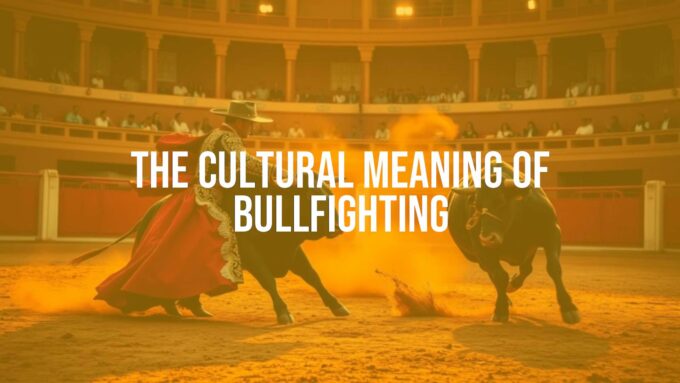
Plaza de Toros is Seville’s famous bullring, one of the oldest and largest in Spain. Bullfighting is a traditional, but debated, custom-still, visiting the arena helps you understand part of Spanish culture. The attached Bullfighting Museum shows the story of bullfighting, its ceremonies, and its main characters. You can walk around the ring and imagine the events from past centuries. The visit takes about 45 minutes to an hour. Audio guides are available, or you can use a QR code with your phone. Sometimes there are live events, but not everyone in Spain supports them today.
Torre del Oro
The Torre del Oro, or “Gold Tower,” is a 12-sided watchtower built in the 12th century along the river. It once guarded the waterfront, stored goods, and was even used as a prison. Now, it hosts a small museum about Seville’s sailing history. It’s cheap to enter, and while the view from the top may be partly blocked by walls, it’s still a good spot to visit and learn about Seville as a major port.
Casa de Pilatos
Casa de Pilatos is a classic mansion from the 15th and 16th centuries and a good way to see how wealthy Sevillians lived. It mixes several styles and has a name inspired by the house of Pontius Pilate in Jerusalem. You’ll see beautiful courtyards, gardens, Roman sculptures, and more than 150 tile designs. Though still lived in by the Medinacelli family, parts are open as a museum. The cost is reasonable, and you can explore in an hour. If the Alcázar is sold out, this is a great replacement for palace lovers.
Palacio de las Dueñas
This grand house, built at the end of the 15th century, features mainly Renaissance design with some Moorish and Gothic touches. Previously home to the Duchess of Alba, it is still owned by her family. Inside, you’ll find family mementos, art, and lovely tiles. The gardens are calm and full of plants, while the courtyards and rooms introduce you to centuries-old aristocratic life. An hour is usually enough to visit. For budget travelers: entry is free on Monday afternoons after 4 pm (plus a small booking fee), but you must reserve early.
Museo de Bellas Artes
This is Seville’s top art museum, set in a stunning former convent. The collection covers Spanish art from the Middle Ages to the 20th century, featuring works by Zurbarán, Velázquez, and Murillo. You’ll also find statues and pieces by El Greco and modern artists. The museum is free for visitors from the EU and €1.50 for others, which makes it an easy and cheap way to see great Spanish art.
María Luisa Park
María Luisa Park is the city’s biggest and most loved green area. Originally donated by the San Telmo palace, it became a park in 1893. It’s a cool place to relax, especially in Seville’s hot season. The park contains several buildings from the 1929 Ibero-American Exhibition, walkways, fountains, and a variety of plants. It’s next to Plaza de España, so you can visit both together. If you’re lucky, you might even see some monk parakeets flying in the trees.
Archivo General de Indias
The Archivo General de Indias is a UNESCO-listed site, along with the Cathedral and Alcázar. It sits in an impressive 16th-century building and was created to keep all records on Spain’s activities in the Americas and Asia. There are 9 kilometers of shelves of documents! Though it is mostly for research, the building itself is worth seeing. You can walk through the entrance for free, and it usually only takes about 30 to 60 minutes. There are sometimes exhibitions showing parts of the collection, which give insight into Spain’s colonial history.
Triana neighborhood
Across the river from Seville’s old center, Triana has a strong local flair. It was the district for bullfighters and flamenco artists, but it keeps its pride and friendly feel. The riverside Calle Betis is lovely at sunset, with views of the city. Triana is famous for its tiles and ceramics-shops along Calle Alfarería sell colorful handmade pieces. You can also see a ceramics museum or watch a flamenco show, which can feel more personal here than elsewhere. The lively Triana Market is a great place to try tapas or buy food. Wandering through Triana’s small streets or having a drink in a local bar is a must-do.

Guadalquivir River
The Guadalquivir River runs through Seville and shaped its history as a key trading port and military base. Even though Seville is no longer top among Spanish ports, the river is still a great place for walking, crossing bridges, and seeing the city. The best paths are between the San Telmo and Triana bridges. You can also take a boat ride for a different view of the landmarks or try paddleboarding if you want something fun and active.
Popular activities and experiences in Seville
What are the best flamenco shows to watch in Seville?
Seeing a flamenco performance is a must in Seville, since the art style began in Andalusia. You can pick from small, close-up venues or bigger theater shows. For background on flamenco, the Museo del Baile Flamenco is a good starting point, as it offers both history and quality shows. Other great places include Casa de la Memoria, Teatro Flamenco Triana, Tablao El Arenal, and Los Gallos. Some small venues might let you enter for free if you buy a drink, but these are often cash only. No matter where you go, flamenco’s singing, guitar, and dancing will leave a strong impression.
Where to enjoy authentic tapas and Andalusian cuisine?
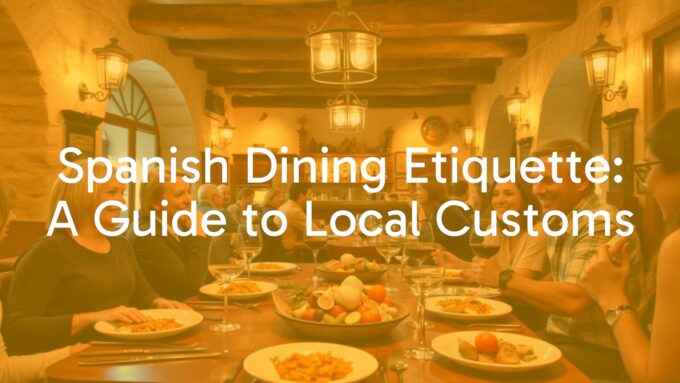
Eating tapas is a big part of visiting Seville. The best way is to try several dishes in a few different bars. Classic choices include Bar Alfalfa (worth the wait), Bar Las Teresas (famous for ham), and Alvaro Peregil for cheese and orange wine. Besides the usual patatas bravas, look for local choices like salmorejo, espinacas con garbanzos, and fried fish. For a modern twist, check out Petit Comité Sevilla. The Triana Market is another popular lunch spot. Remember, people eat late here-lunch is around 2-3 pm and dinner is after 9 pm.

Should you join a walking or bike tour in Seville?
Seville’s old city is small, so walking is a great way to get around. Good shoes help, since many streets are cobbled. Guided walking tours at the start of your trip can help you learn important details and find spots you might miss alone. If you like bikes, Seville has over 180 km of cycle paths, and many companies offer bike and electric bike tours for covering more ground. Whether by foot or bike, tours help you see more and learn about the city’s history.
Are boat cruises on the Guadalquivir River worthwhile?
A river cruise gives a different view of Seville and is a relaxing way to see sights like the Torre del Oro and Triana Bridge. The river is Spain’s only navigable one, and the cruises also provide a fresh breeze on hot days. There are short trips that focus on main landmarks, as well as longer cruises that serve lunch or dinner. While not heavily focused on history, the rides give nice photo opportunities and time to rest from walking.
Is shopping for ceramics and local crafts popular in Seville?
Yes! Seville is a great place to shop for ceramics, especially painted tiles called “azulejos.” Triana is well-known for ceramic workshops and stores, especially along Calle Alfarería. Other crafts include leather bags, belts, shoes, and handmade espadrilles. Look in areas like Santa Cruz and Alfalfa for small craft shops and food souvenirs. Near Las Setas, Soho Benita is now a hotspot for unique crafts and local shops.
What seasonal festivals and events should visitors not miss?
Seville has several important festivals. The most famous is Semana Santa (Holy Week) in March or April, with processions through the streets, followed by the Feria de Abril (April Fair), a week of music, dancing, and people in traditional dress. For flamenco fans, the Bienal de Flamenco takes place in September every other year, bringing together top dancers and musicians. The city also holds many smaller festivals all year, usually tied to food or local traditions. If you plan to visit during big events, expect higher prices and more crowded streets.
What day trips are recommended from Seville?
Seville’s central location makes it easy to visit interesting places nearby. Here are some top choices:
- White Villages (Pueblos Blancos): Ronda is most popular, famous for its bridge and cliff-side views. Other villages like Zahara de la Sierra and Grazalema can be visited together.
- Italica: 10 km from Seville, with Roman ruins, a large amphitheater, and mosaic floors.
- Cordoba: Home to the Mezquita-Catedral and a pretty old Jewish quarter.
- Granada: See the famous Alhambra palace (longer trip, but possible in a day).
- Cadiz: One of Europe’s oldest cities, known for beaches and Roman ruins.
- Jerez de la Frontera: Famous for sherry and equestrian shows.
- Tangier, Morocco: For a different culture, you can take a day trip by crossing the Strait of Gibraltar.
Frequently asked questions about things to do in Seville
Is Seville suitable for families or solo travelers?
Seville is great for both families and people traveling alone. Families will enjoy the city’s walkable streets, parks like María Luisa with playgrounds, and fun places such as Isla Mágica theme park and the aquarium. Tapas restaurants are flexible for families, too. If you’re traveling solo, the city feels safe and easy to explore. There’s a lot to see, and joining a group walking or food tour is a good way to meet others. Locals are generally friendly, even if you don’t speak much Spanish.
Are most attractions accessible for people with limited mobility?
Seville’s old buildings and cobblestone streets can make moving around harder for some, but many main attractions have made changes to help. The Alcázar and cathedral have accessible paths on the ground floor. The Giralda has a ramp instead of steps, but it’s still a climb. Plaza de España and María Luisa Park are mostly flat and easy to move through. Metropol Parasol has an elevator. Some old neighborhoods have narrow, uneven streets, so they can be tricky. Public buses are generally accessible, and taxis are another simple choice. If you have specific needs, check the official websites of attractions or look for tours that provide extra help.
What are the opening hours and costs for Seville’s top sights?
| Attraction | Ticket Price | Typical Hours |
|---|---|---|
| Real Alcázar | €13-15 | 9:30 AM – 5-7 PM, varies by season |
| Seville Cathedral + Giralda | €10-12 | Similar hours to Alcázar. Longer in summer. |
| Plaza de España | Free | Early morning – late evening |
| Metropol Parasol | €5-10 | Day and night tickets. Open late. |
| Casa de Pilatos | €8-10 (more with upper floor tour) | Daytime hours, closed for siesta in afternoon |
| Palacio de las Dueñas | €10-12 (free Mon. after 4 PM with booking) | Standard hours |
| Museo de Bellas Artes | Free for EU / €1.50 others | Closed Mondays |
| Archivo General de Indias | Free | Business hours, limited weekends |
Many shops and small businesses close for siesta (about 2-5 PM), so plan visits and shopping around that time.
Do you need to speak Spanish to enjoy Seville?
You don’t need perfect Spanish to have a good time in Seville. Many people working with visitors know some English, especially in hotels, big restaurants, or at attractions. Menus and signs are often in English too. Knowing a few basic Spanish words and phrases helps. If you can say hello (“hola”), thank you (“gracias”), please (“por favor”), and ask for the bill (“la cuenta, por favor”), locals will appreciate it. Even when words fail, a smile and gestures usually work. Trying a little Spanish adds to the fun and often leads to friendlier help from locals.











Leave a comment