

Spanish breakfast, or “el desayuno,” offers a simple start with big flavor. While many Western breakfasts are large and heavy, Spanish mornings usually begin with something lighter. People often add a second, bigger bite around 10-11 a.m., before the late lunch at 2 or 3 p.m. Because of this, Spanish breakfast ideas range from sweet pastries and warm drinks to savory toasts and filling omelets. Whether you need a quick bite or a slow, café-style morning, there’s plenty to enjoy.
What Makes a Spanish Breakfast Unique?
A Spanish breakfast stands out because of its timing and size. It’s usually small and focused, giving you a gentle start to the day. Lunch is the main meal, and dinner happens late. So, mornings are split into two parts: a light “first breakfast,” followed by a “second breakfast” or mid-morning snack that keeps you going.
This setup creates lots of variety. You might grab coffee and a pastry at home, or sit down for tostada and fresh juice at a café. The focus is on fresh, good-quality ingredients, often local, put together in a simple way that lets flavors shine. It’s a food culture that invites you to pause and enjoy, whether you’re starting quietly or meeting friends at a busy bar.
Typical Ingredients Used in Spanish Breakfasts
Spanish breakfasts use simple, high-quality basics. Extra virgin olive oil shows up often, bringing rich flavor to savory dishes. Ripe tomatoes are key, especially for toast. Eggs play a big role too, with the famous tortilla Española offering a filling start.
Bread is essential in many forms. From toasted slices to baguette-like bocadillos, it’s the base for both sweet and savory toppings. Dairy appears as milk for coffee and sometimes cheese. For sweet moments, sugar dusts churros or sweetens pastries. Fresh fruit, especially Valencia oranges, is popular as juice thanks to its natural sweetness.
Cultural Traditions and Breakfast Habits
Breakfast in Spain ties closely to daily life. The “first breakfast,” between 7 and 9 a.m., is quick and often eaten at home-maybe coffee with biscuits or a magdalena. The “second breakfast,” around 10 or 11 a.m., is where things get more exciting.
This later stop is often social, taken at a bar or café. People chat over a slice of tortilla or a bocadillo, with strong coffee or even a small draft beer (caña). Having two morning bites fits the late lunch schedule and helps people stay energized. It shows a balance between getting things done and taking time to connect, even on busy days.

Frequently Asked Questions about Spanish Breakfast Ideas
What Are Typical Spanish Breakfast Dishes?
Spanish breakfasts mix sweet and savory with simple care. Top choices include Pan con Tomate (toast with tomato and olive oil), Tostada con Mermelada y Mantequilla (toast with jam and butter), and Churros con Chocolate (fried dough with thick hot chocolate). For something heavier, the Tortilla Española (Spanish omelet) is loved, especially for a mid-morning bite. You’ll also see bocadillos (sandwiches) with fillings like ham or tortilla.
Beyond these, look for pastries like croissants, lemony Magdalenas (muffins), and light sponge cakes called Bizcocho. Freshly squeezed orange juice and strong coffee, especially Café con Leche, are common. Some people enjoy Huevos Rotos (fried eggs over potatoes) for a heartier brunch.
Are Spanish Breakfasts Sweet or Savory?
Both. Many think Spanish breakfasts are mostly sweet, but savory choices are very common, especially for the second morning meal. Sweet treats like Churros con Chocolate, pastries, and jam toasts are popular, but savory plates are everywhere.
Savory picks include Pan con Tomate, often finished with olive oil and sometimes ham. The Tortilla Española (potato and onion omelet) is a staple. Bocadillos filled with cured meats, cheese, or tortilla are everyday choices. You can easily pick a light sweet start or go for a filling savory bite.
How Is Spanish Breakfast Different from English or American Breakfasts?
English and American breakfasts can be large and rich-think fry-ups, pancakes, waffles, and lots of sides. Spanish breakfasts are usually lighter at first. Spain often has two morning moments: a light early bite and a bigger snack later. This spreads energy across the morning and leads into a later lunch.
Spanish mornings lean on fresh, simple items like olive oil, tomatoes, and good bread instead of many fried parts. Coffee and fresh juice are also key to the routine.
Can Spanish Breakfasts Be Made Gluten-Free or Dairy-Free?
Yes. Many dishes can be adapted. For gluten-free choices, try Tortilla Española (made at home to avoid cross-contact). Use gluten-free toast for Pan con Tomate. Fresh fruit and cured meats like Iberian ham are naturally gluten-free.
For dairy-free breakfasts, Pan con Tomate is a great pick since it uses olive oil. Fresh orange juice is always dairy-free. For coffee, order Café Solo (black coffee) or ask for plant-based milk with Café con Leche. Many bocadillos can be dairy-free if you skip cheese. Pastries are tougher, so stick to dishes that are already dairy-free.
Are Spanish Breakfasts Suitable for Kids?
Yes. Spanish breakfasts offer many kid-friendly foods with simple, familiar flavors. Sweet options like Churros con Chocolate are a fun treat. Magdalenas and other light pastries are also popular with kids.
For savory tastes, Tostada con Mermelada y Mantequilla (toast with jam and butter) is a classic, and Pan con Tomate can help kids enjoy fresh tomatoes. Small slices of Tortilla Española give protein. Fresh orange juice is a hit with most children. The focus on fresh ingredients and moderate portions suits family meals well.
Popular Spanish Breakfast Ideas to Try
Pan con Tomate (Toasted Bread with Tomato and Olive Oil)
Pan con Tomate, called Pa amb Tomàquet in Catalan, shows how simple ingredients can taste amazing. It’s quick to make and perfect for both a fast breakfast and a slow weekend plate. The base is toasted bread, topped with ripe tomato and good olive oil.
Traditionally, you cut a ripe tomato in half and rub it over the toast so the pulp soaks in. Some people rub a cut clove of garlic on the bread first. A good pour of extra virgin olive oil and a pinch of salt finish it. The flavor is bright, fresh, and deeply satisfying. It shows how Spain turns basic parts into something special.
Tostada con Mermelada y Mantequilla (Toasted Bread with Jam and Butter)
If you like a sweet start, Tostada con Mermelada y Mantequilla is a warm, simple choice. It’s just toasted bread spread with butter and topped with jam.
The quality matters here. Rustic Spanish bread gives a sturdy base. The butter is rich and creamy, and the jam often comes from local fruit. It’s great for a light first breakfast at home or alongside coffee at a café.
Tortilla Española (Spanish Omelette)
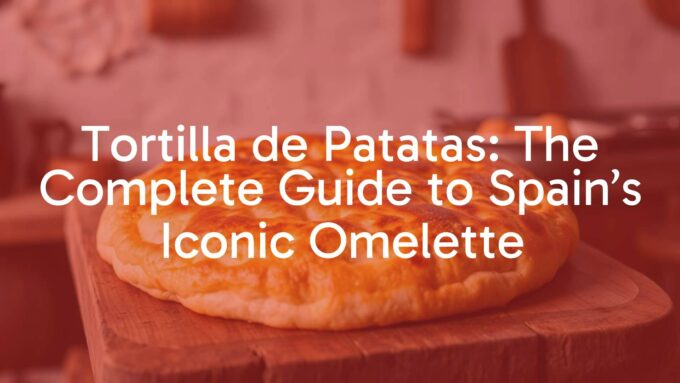
The Tortilla Española, or Tortilla de Patatas, is a true favorite made from potatoes, onions, eggs, and olive oil. The magic is in the texture: firm enough to slice, yet moist and tender inside.
It’s tasty at any time, but a thick slice is common for the second morning bite. It’s often served plain, though some regions add green peppers. Paired with strong coffee, it gives steady energy and a classic taste of Spain.
Churros con Chocolate (Fried Dough with Hot Chocolate)
For a treat, Churros con Chocolate is a star. These long, ridged fried dough sticks are crisp outside and soft inside. While some people see them as dessert, in Spain they’re a breakfast favorite, especially on weekends or special days.
The hot chocolate is the key partner. Spanish hot chocolate is thick, rich, and made for dipping. The mix of warm, slightly salty churros and sweet, velvety chocolate is hard to beat. Enjoy them in a churrería or a café for a cozy start.

Huevos Rotos (Broken Eggs over Fried Potatoes)
Huevos Rotos brings a bigger, comforting plate, great for late breakfast or brunch. It features fried eggs with runny yolks over a bed of crispy potatoes. You “break” the yolks so they mix with the potatoes.
Add-ons like Jamón Ibérico, chorizo, or sautéed vegetables are common. It’s rich and filling-perfect for a slow morning or a midday meal that keeps you full.
Sandwiches and Bocadillos (Spanish Breakfast Baguette Sandwiches)
Bocadillos are a breakfast and mid-morning staple. They use a crusty, baguette-style bread called barra, which gives a great crunch and chew.
Fillings are simple and tasty: Iberian ham with olive oil, a slice of Tortilla Española, or tuna salad. Regions have their own styles, from tiny pulgas in Madrid to the bikini (grilled ham and cheese) in Catalonia. Grab one on the go or enjoy it slowly at a café.
Fresh Pastries: Croissants, Magdalenas, and Bizcocho
Spanish cafés and homes often serve a mix of sweet pastries for breakfast. Some are shared with French baking, but many have a local touch.
- Croissants: You’ll find classic versions, sometimes made with lard or filled with cream, like the cuerno. Almond croissants (croissant de almendras) are popular in some areas.
- Magdalenas: Lemon-scented muffins that are light and fluffy-great with coffee or on their own. They’re common in homes, bakeries, and shops.
- Bizcocho: A light sponge cake, often with lemon rind. It’s a simple, cozy choice, often served with coffee in cafés.
These pastries add a sweet balance to savory dishes and round out the Spanish breakfast table.
Torrijas (Spanish-Style French Toast)
Torrijas are Spain’s take on French toast, especially loved during Lent. They’re slices of bread soaked and fried, with deep flavor and a soft, custardy center.
The bread is soaked in milk (or sometimes wine) flavored with cinnamon and lemon rind, then dipped in egg and fried in olive oil. Serve with cinnamon sugar, honey, or syrup. The mix of crisp edges and soft center makes them a cozy sweet breakfast or dessert any time you crave them.
Breakfast Empanadas (Stuffed Pastries)
Empanadas, from Galicia, are half-moon pastries that work well for breakfast too. They come with many fillings and are easy to carry.
Morning versions can be small and filled with seasoned meats, cheese, or egg and veggies. Sweet fruit fillings are another choice. They’re handy for busy days and offer big flavor in a small package.
Regional Spanish Breakfast Foods Worth Discovering
Andalusian Tostada Variations
Andalusia offers special twists on the classic tostada. One well-known option is tostada con manteca colorá, toast spread with spiced, colored lard-a rich, traditional country breakfast.
Another favorite is toast with extra virgin olive oil and honey. This sweet-salty mix highlights the region’s great olive oil and love for simple, natural flavors. The bread, often a soft flatbread called mollete, soaks up toppings nicely.
Catalan Favorites: Pa amb Tomàquet
In Catalonia, Pan con Tomate becomes Pa amb Tomàquet-a dish tied deeply to local food culture. Fresh, ripe tomatoes are rubbed right onto crusty bread, then finished with olive oil and salt.
Sometimes a hint of garlic goes on first. Pa amb Tomàquet works at any meal-great with morning coffee or paired with cured meats and cheeses later in the day.

Madrid-Inspired Churros Traditions
Madrid is famous for churros, with busy churrerías that draw locals each morning. Alongside classic churros, you’ll often find porras-thicker, fluffier sticks made for dipping into thick hot chocolate.
Enjoying churros in Madrid is often a shared moment with family or friends. Many cafés focus on high-quality chocolate for the best dip. It’s a simple pleasure and a favorite local habit.
Galician and Basque Morning Specialties
Head north for more breakfast gems. In Galicia, homemade bizcocho made with local butter is a beloved morning slice, often with coffee. It’s rich yet light and highlights local ingredients.
In the Basque Country, savory bites shine. The pintxo de tortilla-a small piece of Spanish omelet, sometimes with green peppers-is common. Breakfast often includes small, well-made bites that match the region’s famous pintxo style.
Traditional Spanish Breakfast Drinks
Café con Leche (Spanish Coffee with Milk)
Café con Leche-half strong espresso, half hot milk-is the go-to morning drink. The coffee brings energy, and the milk adds creaminess for balance.
People drink it at home, in cafés, and in bars. It pairs well with both sweet and savory plates and brings people together for a quick pause before the day picks up.
Freshly Squeezed Orange Juice
Spain, and especially Valencia, grows amazing oranges. Freshly squeezed juice (zumo de naranja) is bright, sweet, and a regular part of breakfast.
Most cafés have a juicer so you can get it fresh. Good oranges need no extra sugar. A small glass adds vitamin C and a sunny flavor to your morning.
Hot Chocolate for Breakfast
Spanish hot chocolate is thick, rich, and full of flavor-nothing like the thin versions you might know. It’s famous as a churro dip but also stands on its own.
Made with quality chocolate, it’s cozy and satisfying, especially in cooler weather. Many people enjoy a cup by itself to savor the smooth texture and deep taste.
| Drink | What it is | Best with |
|---|---|---|
| Café con Leche | Half espresso, half hot milk | Toast, pastries, tortilla |
| Fresh Orange Juice | Juice from ripe Valencia oranges | Any breakfast, sweet or savory |
| Hot Chocolate | Thick, rich chocolate drink | Churros, biscuits |
Step-by-Step: How to Prepare the Most Iconic Spanish Breakfast Dishes
Pan con Tomate: Ingredients and Instructions
Making Pan con Tomate at home is quick and rewarding. You just need a few good ingredients.
Ingredients:
- Crusty bread (baguette-style or rustic loaf), sliced
- Ripe tomatoes (Roma or vine-ripened)
- Extra virgin olive oil
- Salt (flaky sea salt if you have it)
- Optional: 1 clove of garlic
Instructions:
- Toast the bread: Lightly toast until golden and crisp at the edges.
- Add garlic (optional): Rub a cut clove of garlic over the toast.
- Cut the tomato: Halve a ripe tomato.
- Rub the tomato: Rub the cut side over the toast so the pulp covers the surface. You can also grate the tomato for a smoother spread.
- Add olive oil: Pour on extra virgin olive oil.
- Season: Add a pinch of salt.
- Serve: Eat right away while it’s fresh.
This takes minutes and tastes bright and clean.
Tortilla Española: Ingredients and Instructions
Making a classic Tortilla Española takes a bit of time, but the flavor and texture are worth it.
Ingredients:
- 5-6 medium potatoes, peeled and thinly sliced (about 1/8 inch)
- 1 large onion, thinly sliced (optional, but adds flavor)
- 6-8 large eggs
- Extra virgin olive oil (enough to cook the potatoes)
- Salt to taste
Instructions:
- Cook potatoes and onion: Warm plenty of olive oil in a large non-stick pan over medium-low heat. Add potatoes and onion. Cook gently, stirring now and then, until the potatoes are very tender and the onion is soft (about 20-30 minutes). They should soften, not crisp.
- Drain: Drain most of the oil and save it for later if you like. Move the potato and onion to a large bowl.
- Beat eggs: Beat the eggs with a pinch of salt.
- Combine: Add the warm potatoes and onion to the eggs. Stir gently and let sit 10-15 minutes so the eggs soak up some flavor.
- Cook: Add a little oil to a clean 8-10 inch non-stick pan over medium heat. Pour in the mixture and spread it evenly. Cook 5-7 minutes, shaping the edges with a spatula.
- Flip: Put a large plate over the pan and flip the tortilla onto the plate. Slide it back into the pan to cook the other side.
- Finish: Cook another 5-7 minutes, until both sides are golden and the center is as set as you like.
- Serve: Slide onto a plate. Cool slightly, then cut into wedges or squares. Enjoy warm or at room temperature.

Great for breakfast, a snack, or a light lunch.
Churros con Chocolate: Ingredients and Instructions
You can make Churros con Chocolate at home with simple steps. The dough is easy, and the thick hot chocolate comes together fast.
Churros Ingredients:
- 1 cup water
- 1 tablespoon sugar
- 1/2 teaspoon salt
- 2 tablespoons olive oil (or butter)
- 1 cup all-purpose flour
- Vegetable oil for frying
- Cinnamon sugar (for dusting)
Hot Chocolate Ingredients:
- 2 cups whole milk
- 4 ounces dark chocolate (70% cocoa), finely chopped
- 2 tablespoons sugar (to taste)
- 1 tablespoon cornstarch (optional, for extra thickness)
Churros Instructions:
- Make dough: In a saucepan, bring water, sugar, salt, and oil to a boil.
- Add flour: Remove from heat. Add all the flour and stir hard until a smooth ball forms.
- Pipe: Transfer to a piping bag with a large star tip.
- Heat oil: Warm 2-3 inches of oil in a deep pot to 350°F (175°C).
- Fry: Pipe 4-6 inch strips into the oil, cutting with scissors. Fry 2-3 minutes per side until golden. Don’t crowd the pot.
- Finish: Drain on paper towels and toss in cinnamon sugar while warm.
Hot Chocolate Instructions:
- Heat milk: Warm milk in a saucepan until it’s simmering, not boiling.
- Thicken (optional): Mix cornstarch with a spoon of cold milk, then whisk into the hot milk.
- Add chocolate: Add chocolate and sugar. Whisk until melted, smooth, and thick.
- Serve: Pour into cups and serve with warm churros.
A classic pairing that brings a true taste of Spain to your kitchen.
Tips for Making Spanish Breakfasts at Home
Bringing Spanish breakfast flavors home is fun and simple. Here are some tips to make your plates as tasty and true as possible:
- Choose good olive oil: Extra virgin olive oil is key. A good bottle will lift dishes like Pan con Tomate and Tortilla Española.
- Pick ripe produce: For dishes with few steps, like Pan con Tomate, ripe tomatoes make a big difference.
- Go slow on potatoes: For tortilla, cook potatoes and onions gently until very tender before adding eggs.
- Practice the flip: Use a plate larger than your pan and a quick, confident motion. It gets easier.
- Try a “second breakfast”: Have a light first bite, then a bigger snack mid-morning.
- Fresh juice helps: If you have good oranges, a simple juicer is worth it.
- Explore savory plates: Don’t skip toasts, omelets, and small sandwiches.
- Make good coffee: A strong cup, especially Café con Leche, completes the meal.
With these ideas, you’ll be ready to enjoy Spanish-style mornings at home.
Inspiration: Creating Your Own Spanish Breakfast at Home
Mix-and-Match Spanish Breakfast Platter Ideas
A Spanish breakfast platter is great for weekends or guests. Mix sweet and savory items so everyone finds something they like.
Start with crusty bread and toast as the base. Add bowls of grated ripe tomato, olive oil, and salt for DIY Pan con Tomate. Include butter and a few jams for Tostada con Mermelada y Mantequilla. For savory parts, add thin slices of Iberian ham or chorizo, and wedges of Tortilla Española. A small bowl of olives adds a nice touch.
For sweets, set out Magdalenas, mini croissants, or homemade churros with a small pitcher of thick hot chocolate. Finish with a jug of fresh orange juice and a pot of strong coffee.
Simple Recipes for Beginners
If you’re new to Spanish food, start with easy dishes that rely on good ingredients and simple steps.
Pan con Tomate: Toast bread, rub with a cut tomato, add olive oil and salt. Quick and tasty.
Tostada con Mermelada y Mantequilla: Toast bread and spread with butter and your favorite jam.
Magdalenas: Lemon muffins that are simple to bake and feel classic and homey.
Café con Leche: Mix strong coffee (espresso works best) with hot milk in equal parts.
These dishes help you build confidence and enjoy real Spanish flavors right away.
Quick Spanish Breakfasts for Busy Mornings
Short on time? You can still add Spanish flavor to your morning with fast options.
- Quick Pan con Tomate: Keep sliced bread ready. Grate a ripe tomato onto toast, add olive oil and salt. Under 5 minutes.
- Coffee and Pastry: Brew strong coffee (or make Café con Leche with instant coffee and warm milk) and pair with a store-bought Magdalena, croissant, or galletas.
- Yogurt with Honey and Nuts: Plain yogurt with Spanish honey and almonds or walnuts for a fast Mediterranean touch.
- Fresh Fruit and Juice: Fresh orange juice and seasonal fruit make a simple, healthy bite.
- Mini Bocadillo: A small sandwich with ham or cheese on a crusty roll takes a moment to assemble.
These ideas bring Spanish taste to even the busiest weekday.
Nutrition and Health Benefits of Spanish Breakfast Options
Macronutrient Balance in Traditional Spanish Breakfasts
Spanish mornings often look light but can be well balanced across two rounds of eating. The first bite-coffee and a pastry-leans on carbs and some fat for quick energy. The second bite adds more protein and healthy fats.
Tortilla Española brings protein from eggs and slow carbs from potatoes. Pan con Tomate with Iberian ham adds carbs, olive oil fats, and protein. Fresh juice gives vitamins and natural sugars. Spreading food across the morning can steady energy and cut down on big sugar swings.
Incorporating Fresh Produce and Olive Oil
Spanish breakfasts shine because they use fresh produce and quality olive oil-key parts of the Mediterranean way of eating.
Fresh Produce: Pan con Tomate uses raw, ripe tomatoes rich in vitamins and antioxidants like lycopene. Fresh orange juice brings vitamin C. Seasonal fruits add more fiber and nutrients.
Olive Oil: Extra virgin olive oil adds flavor and healthy monounsaturated fats. It’s used on toasts, in tortilla, and over savory items. This kind of fat helps with fullness and supports heart health.
Making Spanish Breakfasts Lighter or Vegetarian
It’s easy to keep Spanish breakfasts light or vegetarian while staying true to classic flavors.
For Lighter Options:
- Smaller portions: Use smaller slices of bread or pastries.
- More fresh food: Choose fresh orange juice and whole fruit.
- Lean savory picks: Go for plain Pan con Tomate or classic Tortilla Española.
- Less added sugar: Keep pastries as an occasional treat, or pick plain toast with a light spread.
For Vegetarian Options:
- Pan con Tomate: Naturally vegetarian and always a good choice.
- Tortilla Española: Potatoes, onions, eggs, and olive oil-just avoid meat-based fats.
- Pastries and Cakes: Most Magdalenas, Bizcocho, and croissants are vegetarian.
- Fresh Fruit and Yogurt: Add a bit of honey if you like.
- Vegetable Bocadillos: Fill with grilled vegetables, cheese, or tomato with olive oil.
With a few small tweaks, Spanish breakfasts fit many eating styles while staying tasty and satisfying.














Leave a comment