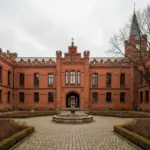

A typical afternoon in 22@, amidst buildings that recently housed factories, reveals a vibrant scene: international students, professionals in training, and local startups crisscross its streets. This is not a conventional campus, nor merely an office zone; it is both at once, and it works. This vitality, however, coexists within a complex urban context. The neighborhood’s housing stock is one of the most heterogeneous and unequal in the city, characterized by elevated prices, low residential density, a high proportion of tourist apartments, and a scarcity of affordable units. This situation generates significant tensions and challenges for social cohesion.
The Dynamic Transformation of 22@: A Model and Its Complexities
The dynamism of 22@ appears spontaneous, yet it is the result of a deliberate model that has successfully combined innovation, education, and urban life. The adaptive reuse of industrial heritage and the integration of green spaces further offer an example of sustainability that not all cities manage to combine with academic and professional dynamism. This district, once an industrial heartland, has been reimagined as a cutting-edge technological and knowledge hub, drawing in a diverse population and fostering an environment of continuous learning and entrepreneurial spirit.
However, this technological district faces relevant challenges. The concentration of educational centers exerts pressure on urban services, serving as a reminder that even the most successful models require careful attention to their social fabric. Some residents lament that the streets empty out at dusk and demand affordable housing. This highlights a critical tension between economic development and the need for a balanced, inclusive urban environment. The district’s success in attracting businesses and educational institutions has, paradoxically, contributed to an affordability crisis for its long-term residents, threatening the very social cohesion it aims to foster.
Balancing Growth with Equity: The Path Forward for Barcelona
Far from being a contradiction, these tensions do not diminish the value of 22@. The coexistence of companies, students, and universities demonstrates that learning, teaching, and working can happen simultaneously, while building the city without losing its pulse or identity. This must be accompanied by policies that foster social cohesion, affordable housing, and inclusive urban planning. Initiatives such as the rescue of vacant land to build 700 protected apartments demonstrate that it is possible to combine urban growth with equity. This proactive approach is crucial to ensure that the benefits of the 22@ model are shared by all, and that the district remains a place where diverse communities can thrive.
The question remains: will Barcelona be able to consolidate 22@ as a space where innovation transcends the university sphere and fully integrates into the daily life of the city? The answer lies in the city’s ability to navigate these complex challenges with foresight and commitment to its residents. Achieving this balance will require sustained effort, innovative policy-making, and a continuous dialogue between all stakeholders-from urban planners and developers to local communities and educational institutions. Only then can 22@ truly embody a successful model of urban development that is both dynamic and equitable, serving as a beacon for other cities grappling with similar transformations.