
Barcelona Seeks to Rebalance Tourism with Resident Needs
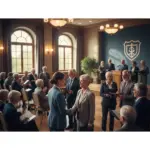
Barcelona, Catalonia, Spain – On Thursday, April 9, 2026, José Antonio Donaire, Barcelona’s Commissioner for Sustainable Tourism Management, publicly supported the implementation of capacity limits at private monuments across the city. Speaking at the opening of the ‘Cities and Tourism’ cycle at the CCCB, Donaire emphasized the need to alleviate pressure on popular tourist sites and reposition residents as the primary users of the urban landscape.
Prioritizing a Sustainable Tourism Model
Donaire highlighted existing municipal efforts, such as the reduction of up to half a million annual visitors at the Park Güell, a publicly owned site. He asserted that similar limitations should extend to private establishments and monuments. “We have to do it; extracting or limiting the pressure is a way to improve the experience and invite visitors to discover other parts of the city,” Donaire stated. He praised Mayor Jaume Collboni’s administration for its commitment to setting boundaries on tourism.
The Commissioner underscored that “reducing pressure is a management term, but also a fact that allows for the emotional connection between the place and the individual, which is the essence of tourism.” He contrasted the concept of “fast look” tourism-snapping a photo and moving on-with the goal of encouraging visitors to “stay a little longer and with a little less crowd.”
Non-Touristic Strategies for Urban Revival
Donaire further suggested that “the best tourism strategies are sometimes non-touristic.” This includes interventions in public spaces to restore their original character, reducing the presence of terraces, or reclaiming the essence of a plaza or market. He cited initiatives like weekend activities in the Sagrada Familia square and efforts to revitalize the Boqueria market. Both locations have been designated by the City Council as EGA (Areas of High Influx) and are subject to targeted recovery efforts.
The overarching objective, Donaire explained, is to ensure that citizens feel a sense of ownership over their urban environment. This involves “giving centrality to policies that position the resident as the city’s main user” and creating “zones recovered for citizen use.”
Airport Expansion and Housing Crisis
Addressing the contentious issue of airport expansion, Donaire candidly acknowledged his historical opposition to such plans. “We are moving towards new forms of mobility; we must generate a tourism model that is not based on mass production and fossil fuel consumption,” he remarked, while also cautioning that “limiting airport capacity can also limit other activities.”
Donaire refuted the notion that tourism is the primary cause of Barcelona’s housing crisis, emphasizing that “Barcelona will not cease to be a tourist city.” He championed the concept of “glocality” for Barcelona: “The city must be global, and we do not renounce that because it allows us to attract capital, talent… but at the same time, we must assert that we protect and are even excellent in the elements that make us who we are.”
Future Outlook and Resident Concerns
The proposed measures reflect a broader shift in Barcelona’s tourism strategy, aiming for a more balanced and sustainable approach. While acknowledging the economic benefits of tourism, the city is increasingly focused on mitigating its negative impacts on residents’ quality of life and preserving the authentic character of its neighborhoods.
The debate surrounding tourism in Barcelona continues to evolve, with ongoing discussions about how to manage visitor flows, protect local culture, and ensure the well-being of its inhabitants. The city’s commitment to these new strategies will be crucial in shaping its future as a global destination.