

Spain is a country full of life, sunny beaches, and amazing buildings. It invites all kinds of travelers with its lively spirit and rich culture. Whether you love history, food, relaxing on the beach, or art, Spain offers a wide variety of things to see and do. From exciting big cities to pretty coastlines and old historic towns, Spain has something for everyone, making it a favorite place to include on a trip through Europe.
One reason people love Spain is its great mix of experiences. You can stroll down ancient streets that tell stories from Roman times or the days of the Moors. Walk into one of the country’s new art museums, then eat delicious food in a local tapas bar or an award-winning restaurant. Every visit can show you something new or different, so many people return to Spain again and again.
Introduction to Places to Visit in Spain
Spain connects its long history with a modern style. Its location-between the Mediterranean Sea and the Atlantic Ocean, and bordering the Pyrenees mountains-gives Spain a lot of different scenery, from beaches to tall snowy mountains. Spain’s culture is also a mix, shaped over centuries by Romans, Moors, Christians, and Jews, all leaving their mark on buildings, traditions, and food.
With so many amazing places, choosing where to visit in Spain can feel hard. Each part of the country is different, bringing its own highlights. Whether you want the busy life of Madrid, the creative buildings of Barcelona, the special atmosphere in Santiago de Compostela, or the peaceful islands, Spain promises memories that last a lifetime. This guide covers some top places so you can plan a great Spanish trip.

Major Cities to Visit in Spain
Madrid
Madrid is Spain’s busy capital, full of energy at all hours. It’s famous for its nightlife, but that’s just one side of it. Madrid has many neighborhoods, lovely parks like El Retiro, good shopping, and some of Europe’s best art museums.
- Art: Visit the famous Prado Museum, Reina Sofía, and Thyssen-Bornemisza National Museum. See Picasso’s Guernica and other world-class art.
- Sights: Check out impressive places like the Royal Palace, Plaza Mayor, and the unique Debod Temple (an actual Egyptian temple in the city).
- Food: Try tapas in lively areas such as Cava Baja.
Barcelona
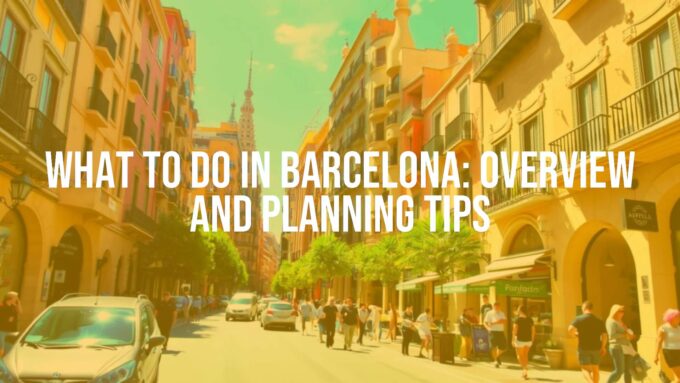
Barcelona, the capital of Catalonia, is full of things to see and do. The city sits between the sea and mountains, giving it a great setting. One highlight is the architecture of Antoni Gaudí, with sights like Sagrada Família (still not finished), Park Güell, Casa Batlló, and La Pedrera.

- History: Walk the old Barri Gòtic to see Roman and medieval history and the beautiful cathedral.
- Beaches: Barceloneta Beach is perfect for a break.
- Markets and Food: Don’t miss the La Boqueria market, and for a quieter experience, discover local areas like Gràcia or Sant Antoni.
Valencia
Valencia mixes the past and the future. Visit the old cathedral and central square, then see the modern City of Arts and Sciences. The city is also famous for being the home of paella and gets lots of sun each year.
| Things to see | Activity |
|---|---|
| Valencia Cathedral | Historic church |
| City of Arts and Sciences | Modern architecture and museums |
| Turia Gardens | Walk or bike in the park |
Try to visit during the Las Fallas festival in March for an exciting local event with huge sculptures burned at the end.
Seville
Seville is the main city in Andalusia and famous for its romantic atmosphere, flamenco music, and history. During the day, you can enjoy cafes along cobblestone streets and see horse carriages. At night, watch flamenco dancing for a true taste of local culture.
- Don’t miss Plaza de España, the Royal Alcázar palace, or the huge Seville Cathedral, which has Columbus’s tomb.
- The Santa Cruz area is full of history and charm.
Bilbao
Bilbao, the biggest city in the Basque Country, changed from an industrial city to a center for modern art and design. The main attraction is the Guggenheim Museum, with its incredible building and art inside.
- Wander the Casco Viejo (old town) for local snacks called pintxos and see the mix of old and new buildings.
- Views from Artxanda Funicular or Parque Etxebarria are great for photos.
Granada
Granada lies at the base of the Sierra Nevada mountains and is known for its Arab roots. The city is home to tapas bars, flamenco shows, tea shops, and Arabian bathhouses-it’s a blend of cultures.
- The highlight is the Alhambra, a palace and fortress with beautiful gardens and decoration.
- Check out Sacromonte for flamenco and the nature of Sierra Nevada nearby.
Cordoba
Cordoba sits along a river and is known for its historical center filled with winding alleys, white houses, and colorful patios. The city is home to four UNESCO heritage sites.
- The Mezquita (mosque-cathedral) is not like any other church or mosque and is a must-see.
- Also visit the Castle of the Christian Monarchs and the old Jewish Quarter.
Malaga
Malaga is a port city on the Costa del Sol, and Pablo Picasso was born here. The city combines beaches, history, and art. It’s great for a walk and has sunny weather most of the year.
- Visit Malaga Cathedral, the Picasso Museum, and the Alcazaba fortress.
- The central market and beaches are also worth your time.
San Sebastian
San Sebastian, in the north, is known for its long beaches, pretty buildings, and great food. Playa de la Concha is a top beach, especially in summer.
- San Sebastian is also famous for food: try the local pintxos and enjoy the many Michelin-starred restaurants.
- Walk along the seafront or explore Parte Vieja’s bars and cafes.
Top Coastal Destinations and Islands
Costa Brava
Costa Brava stretches along the Mediterranean Sea with pretty beaches, cliffs, and small towns. It’s good for sunbathing, swimming, and sightseeing. Visit the Dalí Museum in Figueres and wander Cadaqués for a quiet coastal feel.

Costa del Sol
The Costa del Sol in the south is one of the best places for a beach vacation. With more than 100 beaches and lots of sunshine, it’s always popular.
- The area also has parks and family attractions.
- Visit villages like Marbella, known for its old town and flower-filled streets.
Mallorca
Mallorca is the biggest Balearic Island, perfect for beach lovers and explorers. It has blue water, scenic drives, mountains (Serra de Tramuntana), and interesting towns like Alcúdia and Palma. Don’t miss the underground caves at Cuevas del Drach.
Menorca
Menorca is quieter than the other Balearics and great if you want peaceful beaches. Visit pretty places like Cala Macarelleta or the old cities of Ciutadella and Mahón.
Ibiza
Ibiza is famous for its party scene but has more than just clubs. Its beaches are clear and calm, and the old walled town Dalt Vila is a UNESCO site. Check out quiet spots in the north or visit ancient ruins.
Canary Islands
The Canary Islands, near Africa, have warm weather all year. There are lots of national parks and chances for hiking, water sports, and relaxing on volcanic beaches. The bigger cities are Santa Cruz de Tenerife and Las Palmas de Gran Canaria.
Cádiz
Cádiz is one of Europe’s oldest cities, full of history from the Phoenician, Roman, and Moorish days. It has a famous cathedral, tall towers for city views, and nice parks and beaches. The city is also close to Doñana National Park, a great place for nature walks.
Alicante
Alicante is a port city on the Costa Blanca. It has a good mix of beach and city attractions. Climb up to Santa Bárbara Castle for views, walk the palm-lined promenade, and enjoy Postiguet Beach. The old area (El Barrio) is lively and has lots of tapas bars.
Iconic Historical Sites and Heritage Towns
Toledo
Toledo is an old city on a hill over a river, about 80km from Madrid. It’s famous for its mix of Christian, Jewish, and Muslim history and has impressive sights like the huge cathedral, old synagogues, and mosques. Take in the view from Mirador del Valle and try the local marzipan sweets.
Santiago de Compostela
In northwestern Spain, Santiago de Compostela is the end of the Camino de Santiago pilgrimage route. Its large Romanesque cathedral is said to hold the remains of Saint James and is a big draw for visitors. The city is known for its historic old town and great seafood markets.
Segovia
Segovia, northwest of Madrid, has one of the best-preserved Roman aqueducts in the world and a fairy-tale castle called the Alcázar, which looks like something from a storybook. The central Plaza Mayor is lively and the city is beautiful for sightseeing.
Salamanca
Salamanca is called “The Golden One” because of how its old sandstone buildings glow in the sunlight. The city is home to one of the world’s oldest universities and its central square-Plaza Mayor-is always full of life. Visit both cathedrals, the shell-covered Casa de las Conchas, and enjoy the sunset from the Roman bridge.
Ronda
Ronda sits above a deep gorge split by a tall bridge, the Puente Nuevo. The setting is dramatic, and the town is known for both this view and the oldest bullring in Spain. Visit the old baths and enjoy the unique scenery.

Girona
Girona is a short train trip from Barcelona and has old streets, a stunning cathedral, and important Jewish history. Try the city’s restaurants or just enjoy walking along the river or city walls.
Pamplona
Pamplona is home to the famous Running of the Bulls festival, but it’s also worth visiting any time. You’ll find old city walls, a fortress, and lively squares like Plaza de Castillo, which was one of Hemingway’s hangouts.
Cuenca
Cuenca is known for its “hanging houses” built over a sheer cliff. The city center is old and interesting, and the Museo de Arte Abstracto is set in one of these hanging houses. For natural wonders, visit the strange rock formations at Ciudad Encantada nearby.
Most Beautiful Villages and Small Towns
Cadaqués
Cadaqués, on the Costa Brava, is a peaceful seaside village with white houses and narrow, winding streets. Artists like Salvador Dalí loved it here. You can visit Dalí’s house in Portlligat. Visit in spring or fall for fewer crowds and nicer weather.
Albarracín
Albarracín, in Teruel province, looks like something from the past with its red houses, castle, and walls. Walk the narrow streets, see the old cathedral, and climb to the castle for views of the whole area.
Montefrío
Montefrío, not far from Granada, is famous for its hilltop castle and church. Walk around, take photos from the National Geographic viewpoint, and enjoy a calm day in this small village.
Tossa de Mar
Tossa de Mar is a lovely mix of beach and history along the Costa Brava. Explore its old town with medieval walls and towers, hike along the coast, or relax on sandy beaches or in quiet coves.
León
León is a city with clear skies, amazing tapas, and fantastic buildings. The main cathedral is a highlight, with beautiful stained glass windows. Enjoy tapas in the bars around the city, especially in Barrio Húmedo or Barrio Romantico.
Famous Natural Attractions in Spain
Beach of the Cathedrals
This beach, called Praia das Catedrais in Galician, is near Ribadeo on Spain’s northwest coast. At low tide, huge stone arches and caves appear-great for exploring and photos. Visitor numbers are limited in summer, and you’ll need to get a ticket ahead of time and arrive at low tide for the best experience.

Garrotxa Volcanic Zone Natural Park
This park in Catalonia shows a different side of Spain, with old volcanic cones covered in green forests. Walk the marked trails through beech woods and up to the craters. It’s especially pretty in the fall.
Irati Forest
Irati Forest, in the Pyrenees of Navarre, is one of Europe’s largest beech and fir forests. Visit in autumn for colorful leaves. There are many trails, streams, and wildlife. It’s quiet and perfect for those who like peace and nature.
Lago de Sanabria Natural Park
This park in Zamora has Spain’s biggest glacial lake, clear water, woods, and mountains. Visitors can swim, kayak, or hike the area’s trails. There are also small local villages to explore nearby.
Caminito del Rey Trail
This famous walkway near Málaga used to be dangerous but is now safe and exciting. The trail takes you along the edge of cliffs through the Gaitanes Gorge, high above the river below. Book your ticket before you go-it’s very popular.
Val d’Aran Biosphere Reserve
Val d’Aran, in the Pyrenees, has snowy mountains, forests, rivers, and lakes. It’s good for both skiing in winter and hiking or rafting in summer. Villages in the valley have stone houses and old churches, giving the area a special charm.
Recommended Experiences in Spanish Regions
Andalusia
This southern area is famous for flamenco, bullfighting, and a history shaped by Christian and Moorish cultures. Go to Seville for the Alcázar Palace, Granada for the Alhambra, and Cordoba for the Mezquita. The “white villages,” such as Ronda, are also great for day trips. Try local foods and enjoy the lively festivals.
Catalonia
Catalonia, in the northeast, is known for its own language and culture. The region stretches from Barcelona to the Pyrenees, and includes beautiful coastline. Barcelona’s Gaudí buildings, the Costa Brava’s cliffs and beaches, Cadaqués’ artist vibe, and the Garrotxa volcanic park are all highlights. Make sure to try some of the local food and wine.
Basque Country
The Basque area in the north is different from the rest of Spain, with its own language and traditions. It’s known for excellent food, especially pintxos and Michelin-star restaurants in San Sebastian. Bilbao’s Guggenheim Museum is another major draw, along with quiet towns and green countryside.
La Rioja
La Rioja is Spain’s most famous wine area, full of vineyards and more than 500 wineries. Join a wine tour, enjoy food paired with local wine, or explore the hills and historic towns like Logroño, which was a stop on the Camino de Santiago pilgrimage. Don’t miss the cathedral and lively tapas bars.

Castile and León
This large region in central Spain has many castles, historic towns, and UNESCO sites. Visit Salamanca’s university and main square, Segovia’s aqueduct and castle, and León’s cathedral. Other places worth seeing include the walled city of Ávila and Burgos Cathedral. The area is great for anyone interested in the country’s past and old traditions.
Frequently Asked Questions about Places to Visit in Spain
What is the prettiest city in Spain?
Choosing the most beautiful city in Spain depends on what kind of sights you enjoy. Cordoba is famous for its pretty Mezquita and patios, San Sebastian has beautiful bay views and elegant buildings, Granada combines mountain views with the impressive Alhambra palace, and Barcelona is known for Gaudí’s creative style. Seville stands out with its palaces and flamenco tradition, Salamanca glows gold at sunset, and Ronda has amazing cliff views. It all comes down to your personal taste.
What are the five largest cities in Spain?
| City | Ranking by population |
|---|---|
| Madrid | 1 |
| Barcelona | 2 |
| Valencia | 3 |
| Seville | 4 |
| Zaragoza | 5 |
These cities are the largest by population and are important centers for culture, business, and travel.
Where is the most popular city in Spain?
According to visitor numbers and international fame, Barcelona and Madrid are the most visited cities in Spain. Barcelona often comes first for overseas tourists, thanks to its unique architecture and lively vibe. Madrid is close behind, loved for its art, nightlife, and impressive buildings. Both cities offer plenty to see and do and are the top tourist destinations in Spain.
What are the best beaches in Spain?
- Beach of the Cathedrals (Galicia): Known for its striking natural stone arches.
- Playa de la Concha (San Sebastian): A beautiful, popular city beach.
- Costa Brava beaches: Pretty coves and clear water, with lovely towns.
- Costa del Sol: Long and sunny, with beaches like Burriana and El Bajondillo for families.
- Balearic Islands (Mallorca, Menorca, Ibiza): Known for their clear blue waters. Try Playa de Muro, Cala Llombards (Mallorca); Cala Turqueta, Cala Mitjana (Menorca); and Ibiza’s hidden coves.
- Canary Islands: Volcanic beaches and year-round good weather.
No matter if you want lively city beaches, quiet spots, or amazing nature, Spain’s coast has many choices for every traveler.












Leave a comment