

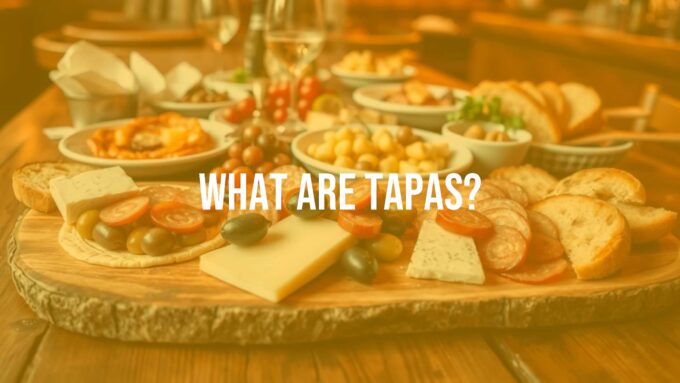
Tapas are small plates in Spanish cooking and also a big part of social life. They are appetizers or snacks meant for sharing, usually with a drink. You can order several to make a full meal, but the main idea is to try many flavors with others instead of choosing one large dish.
In the United States and many other places, tapas bars and restaurants are becoming common. This style of eating encourages people to talk, relax, and enjoy different bites together, much like the laid-back meal times in Spain.
What does tapas mean in Spanish?
The word “tapa” in Spanish means “cover” or “lid.” This simple meaning helps explain how the custom started. As a plural, “tapas” refers to small dishes, but the root points to the original way they were served.
Over time, “tapa” came to mean a small, tasty bite that goes well with a drink and brings people together. It is now a standard term in Spanish food culture.
What is the history of tapas?
There is no single proven story about how tapas began. Instead, there are many tales from Spain’s past that offer friendly and practical explanations.
One story credits King Alfonso X of Castile. While recovering from illness, he was told to drink wine with small snacks between meals. After he got better, he reportedly ordered taverns to serve food with drinks so people wouldn’t drink on an empty stomach. Another story tells of King Alfonso XIII in Cádiz, who received a glass of wine topped with a slice of ham to keep out blowing sand. He liked it and asked for another wine “con la tapa” (with the cover), and the term spread.
A simpler idea is that bartenders covered glasses with bread or meat to keep out flies. Over time, those covers became better snacks, often with food piled on the bread. Salty items like ham or chorizo also made people thirsty, which helped bars sell more drinks.

Where did tapas originate?
Most people agree that tapas started in Spain. Many point to Andalusia, in the south, as the birthplace of the habit of serving small bites with drinks. The practice is part of local history and daily life there.
As Spain’s history moved forward, new foods arrived, from Roman olive growing to ingredients from the Americas like tomatoes, peppers, corn, and potatoes. Tapas changed with these additions, and different regions put their own spin on them. That’s why there is such a wide range of tapas today.
When are tapas eaten?
Tapas fit into everyday life in Spain. They fill the time between main meals and suit quick meetups, relaxed evenings, and casual bites.
Lunch is usually the biggest meal, often between 1:30 PM and 3:30 PM. Dinner is late, often from 9 PM to midnight. Tapas help bridge the late afternoon and early evening gap.
Is there a typical time for eating tapas?
Yes. Tapas are common in the afternoon and even more popular in the evening.
| Time | Hours | What happens |
|---|---|---|
| Afternoon | 1:30 PM – 3:00 PM | A quick snack after lunch and before dinner |
| Evening | 8:30 PM – 10:30 PM | Bars get busy; friends meet to “ir de tapas” and share small plates |
How do tapas fit into Spanish dining culture?
Tapas are a social habit as much as a way to eat. People meet friends, chat, and share food and drinks at a relaxed pace.
Instead of one formal meal, groups often move from bar to bar, ordering a few items at each stop. Many people stand at the bar or outside. This casual style values time together and variety on the table, and it is a clear sign of how people in Spain like to eat and spend time.
What are the main ingredients in Spanish tapas?
Tapas cover many flavors but rely on fresh, simple ingredients that show Spain’s mix of land and sea. From seafood to seasonal produce, these dishes highlight basic items prepared well.
Common parts of tapas include meats, seafood, cheeses, and vegetables. Typical seasonings are paprika, saffron, garlic, sweet peppers, olive oil, vinegar, and fresh herbs. Some items may feel new, like blood sausage, octopus, or salt cod, while many others are familiar, such as ham, pork, beef, sardines, anchovies, and potatoes.
Common foods used in tapas
- Olives (aceitunas), often marinated
- Cured meats: Jamón Ibérico, jamón serrano, chorizo
- Cheeses: especially Manchego
- Potato dishes: patatas bravas, tortilla de patata
- Peppers: pimientos de Padrón
- Seafood: gambas al ajillo, calamari, boquerones
- Bread dishes: pan con tomate
Are tapas mostly served hot or cold?
Both. Tapas can be cold or hot, which makes it easy to mix and match.
| Cold tapas | Hot tapas |
|---|---|
| Olives, anchovies, cheeses, cured meats, salads, gazpacho, salmorejo | Patatas bravas, croquetas, gambas al ajillo, chorizo al vino, fried items |
Cold items are often on display behind the bar and ready to serve. Hot dishes are usually cooked to order.
What are the types of tapas?
Tapas come in many forms across Spain, and each region adds its own style. Knowing the main types-hot, cold, pinchos/pintxos, and montaditos-helps you spot the differences and try a wide range.
All of these fall under “tapas,” but each offers a slightly different way to eat and share small plates.
Hot tapas
Hot tapas are cooked and served warm, which makes them satisfying and great for sharing alongside some cold options.
Popular examples include patatas bravas (fried potatoes with a spicy sauce), gambas al ajillo (shrimp in garlicky olive oil), pimientos de Padrón (fried green peppers), chorizo al vino (chorizo cooked in wine), albóndigas (meatballs), croquetas (fried fritters with a creamy center), and pulpo a la Gallega (Galician-style octopus). Many include meat or seafood, but you can also find vegetarian choices.
Cold tapas
Cold tapas offer lighter bites and are handy for a quick snack or the start of a meal. In many bars, you can see them lined up behind the counter.
Choices range from marinated olives and anchovies to salads. Pan con tomate (bread with tomato, garlic, and olive oil) is a staple in Catalunya. You may also see slices of tortilla de patata served at room temperature, and dishes like escalivada (roasted vegetables) in Catalunya.
Pinchos (pintxos) and how they differ from traditional tapas
Pinchos, or pintxos in the Basque Country, are common in northern Spain. The name comes from the small skewer or toothpick that holds the food together, often on a slice of bread.
They look like small open-faced sandwiches with creative toppings-seafood, cured meats, cheeses, and vegetables. In cities like San Sebastian, bars display many options on the counter. You often help yourself, and the staff counts your toothpicks to total the bill.

Montaditos and other variations
Montaditos are mini sandwiches or toasts “stacked” with toppings. They are usually a bit larger than pintxos and do not rely on a toothpick. Toppings can include canned seafood, cured meats, cheeses, roasted vegetables, and spreads.
Many classic Spanish dishes can also be served in small portions, so you can try stews or paella as a tapa. If you want more, you can order a “media ración” (half portion) or a “ración” (full portion).
Charcuterie, cheeses, and banderillas
Cured meats and cheeses are key parts of a tapas spread. Spanish “embutidos” include jamón serrano, chorizo, and special “Ibérico” versions made from acorn-fed pigs, prized for their flavor and texture. Fuet, a thin cured sausage from Catalunya, is another favorite.
Spain has many cheeses beyond Manchego. You can find hard, soft, blue, goat, sheep, and mixed-milk cheeses with a wide range of flavors.
Banderillas are colorful mini skewers of pickled items like olives, small onions, guindilla chilies, and sometimes anchovies or peppers. The best-known one is the “Gilda,” a Basque mix of pickled guindilla chili, manzanilla olives, and top-quality anchovies.
Are there dessert tapas?
Traditionally, tapas are savory and meant to go with drinks. Sweet dishes come later, after tapas or a main course.
Common desserts in Spain include Crema Catalana, flan, arroz con leche (rice pudding), and natillas (custard). They are not “tapas” in the strict sense, but they finish the meal nicely.
What are the most traditional tapas dishes?
Some tapas are known across Spain and show the heart of the cuisine. These classics use simple, good ingredients and have been passed down for generations.
They are often used to judge a bar’s quality and are a good starting point if you want to try authentic Spanish food.
Patatas bravas
Patatas bravas, or “spicy potatoes,” are one of Spain’s best-known tapas. They are cubes of white potato, fried until the edges are golden and crisp and the centers are tender. The sauce makes the dish.
Depending on the region, you may get a paprika-forward spicy tomato sauce, a garlic aioli, or both. The mix of crunchy potatoes and bold sauce keeps this dish on almost every menu.
Tortilla de patata
Tortilla de patata (Spanish tortilla) is a potato and egg omelet-like cake that many people see as Spain’s national dish. It is not related to the Mexican tortilla.
The classic version cooks fried potatoes (sometimes with onions) with beaten eggs, forming a thick round that is lightly browned on both sides. It is served in wedges and tastes great hot, warm, or cold.
Spanish croquettes (croquetas)
Croquetas are small, breaded fritters with a soft, creamy center made from a thick béchamel. They are then fried until crisp outside and soft inside.
Common fillings include jamón (ham), cheese, or salt cod (bacalao). You will also find many other versions, including meat, mushroom, and plant-based options.
Jamón ibérico and cured meats
Jamón is central to Spanish food culture. Jamón Ibérico comes from black Iberian pigs and, at the top level, from animals fed mainly on acorns (Jamón Ibérico de Bellota). This gives the ham a rich flavor and a tender texture. It is prized and takes a long time to cure.
Other cured meats, or “embutidos,” are also common. Chorizo, flavored with paprika, appears in many styles. These meats are often served thinly sliced, sometimes with bread, to highlight their taste.
Aceitunas (olives)
Olives are simple but central to tapas. Spain grows many types of olives, and bars often serve a small bowl with drinks, sometimes at no extra charge.
Olives can be plain, marinated with herbs and garlic, or stuffed with peppers or anchovies. They wake up the appetite and go well with other plates.
Seafood-based tapas
Spain’s long coastline means great seafood. Many tapas show off fresh fish and shellfish and are popular everywhere, especially near the sea.
Gambas al ajillo (shrimp in garlic and olive oil) is a favorite. Other common dishes are calamares (fried squid rings), boquerones (white anchovies, marinated or fried), and bacalao (salt cod), which can be fried or cooked in sauce. Pulpo a la Gallega (Galician-style octopus) comes with boiled potatoes, olive oil, and sweet paprika.
Vegetable and cheese tapas
Vegetable and cheese dishes bring balance to a tapas spread.
Along with patatas bravas and tortilla de patata, look for pimientos de Padrón (small green peppers fried and salted) and, at times, escalivada (roasted eggplant, peppers, and onions). Cheeses shine too-Manchego is common, but there are many others, from soft goat cheeses in olive oil to strong blue cheeses like Cabrales and smoked cheeses like Idiazabal. Pimientos rellenos (stuffed peppers) mix vegetables with fillings like minced meat, olives, and cheese.
How do traditional and modern tapas compare?
Tapas keep changing. Classic plates stay loved, and new ideas keep appearing. This mix gives you both comfort and surprise, in Spain and abroad.
You can still order old favorites made the usual way, while creative cooks offer fresh versions that play with form and flavor. The blend of past and present keeps tapas lively.
Modern twists on classic tapas
Many chefs use tapas as a space to try new techniques and looks. They start with Spanish ingredients and well-known dishes and then adjust textures, shapes, and flavor pairings.
For example, croquetas might come with new fillings or a lighter center. Patatas bravas might arrive with sauces served in new ways or with different potato cuts. The core idea stays, but the details change to appeal to today’s tastes.
How have tapas evolved outside Spain?
The sharing style of small plates has spread worldwide. People enjoy ordering several dishes and tasting a bit of everything, so tapas-style menus have become popular in many countries, including the US.
Outside Spain, “tapas” can also mean any small, shareable plate, not just Spanish food. Some places aim for Spanish recipes, while others mix local produce and techniques with Spanish ideas to make fusion tapas. This shows how flexible and social the tapas idea is: good food, shared at the table.
Where to eat tapas in Spain
Eating tapas in Spain is a social experience and a window into local customs. You will find many places that serve small plates, each with its own mood and regional specialties. Picking the right spots can turn a simple meal into a full tour of flavors and habits.
From busy downtown areas to neighborhood bars, you will not be far from good tapas. Follow local tips and enjoy the informal style.
Best regions and cities for authentic tapas
Tapas are everywhere in Spain, but some areas stand out. Andalusia is famous for its tapas culture. In cities like Granada, you often get a free tapa with your drink, which makes for a fun and affordable outing.
In the north, the Basque Country-especially San Sebastian-is known for pintxos. Bars fill their counters with creative options that look as good as they taste. Salamanca is also known for lively tapas spots. Each region and bar has its own style, so every walk from place to place brings new finds.
What is a tapas bar?
A tapas bar, or “tasca,” is a lively, informal place where people gather to eat and drink. Conversation flows, and the room often fills with people standing and sharing plates.
You might order hot tapas from a menu while pointing to cold items displayed on the bar. A small beer (“caña”) or a glass of wine (“chato”) pairs well with the food. The goal is simple: enjoy the bites, the company, and the relaxed pace.
Common misconceptions about tapas
As tapas spread worldwide, some ideas about them can be off the mark. Clearing these up makes the experience better.
First, tapas are not always free. In some southern cities like Granada, you may get a small plate with a drink, but this is not standard everywhere. In many places, you order from a menu and pay a small price per dish.
Second, tapas are not one specific food. “Tapas” refers to small portions. Almost any Spanish dish can be served this way, from a little serving of paella to a few slices of cured ham. The key is the size and the shared way of eating.
Last, tapas are not only starters. Many people build a full meal by moving between bars and trying several dishes. You can make it a quick bite or an entire evening out, depending on your plans and appetite.












Leave a comment