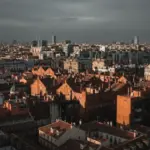

Barcelona, Spain – May 25, 2026 – Barcelona’s real estate market has seen significant activity over the past seven years, with the City Council registering 1,300 purchase agreements for entire residential buildings. This extensive data, compiled by elDiario.es, reveals that a substantial portion of these transactions occurred in the city center, and notably, half of the sold buildings were occupied by tenants.
Major Real Estate Operations Reshaping Barcelona’s Landscape
The report highlights that these large-scale real estate operations are reshaping the urban fabric of Barcelona. The concentration of sales, with one-third taking place in the central districts, underscores a trend of significant investment and transformation in prime urban areas. This influx of transactions raises questions about the future of housing accessibility and affordability for current residents.
Impact on Tenants and Housing Market Dynamics
A key finding from the data is that approximately 50% of the sold buildings housed existing tenants. This statistic is particularly pertinent in the context of ongoing discussions about tenant rights and housing stability in Barcelona. The sale of occupied buildings can often lead to concerns about potential evictions, rent increases, and the displacement of long-term residents, particularly in a city grappling with a housing crisis.
The comprehensive nature of the City Council’s records, as analyzed by elDiario.es, provides an unprecedented look into the scale and characteristics of these transactions. This level of detail allows for a deeper understanding of the forces at play in Barcelona’s dynamic real estate sector.
Rosario and the Resistance Against ‘Coliving’
The report also touches upon the resistance against ‘coliving’ initiatives, exemplified by the case of Rosario. Despite the regulation of ‘coliving’ in Catalonia, there are ongoing efforts by residents to oppose its proliferation. This resistance reflects broader community concerns about the changing nature of housing and the potential for new models to exacerbate existing housing pressures.
The data from the City Council’s registry serves as a crucial resource for monitoring these trends and informing public debate on urban development and housing policies. The ability to consult all notified sales of residential buildings offers transparency and empowers both citizens and policymakers to track the evolution of the city’s housing market.
Further Investigations into Real Estate Trends
The findings from elDiario.es’s investigation are expected to fuel further discussions and analyses among urban planners, housing advocates, and local authorities. Understanding the patterns of building sales, particularly those involving tenants, is essential for developing effective strategies to ensure a balanced and equitable housing market in Barcelona. The ongoing scrutiny of these operations aims to safeguard the interests of all residents amidst rapid urban change.
The detailed breakdown of sales, street by street, provides a granular view of where these transformations are occurring most intensely. This geographical insight can help pinpoint areas most affected by speculative investments and potentially inform targeted interventions to protect vulnerable communities.
The city’s approach to managing these real estate dynamics will be critical in shaping its future. Balancing the needs of investors with the rights and well-being of its citizens remains a central challenge for Barcelona’s municipal government.